Welcome To

Sedation & Anaesthesia

Sedation & Anaesthesia
Sedation & Anaesthesia
Sedation and general anaesthesia are commonly used for surgical procedures, dental treatment and certain diagnostic tests. These medications allow procedures to be performed safely while keeping pets comfortable and minimising stress.
Before procedures requiring sedation or anaesthesia, pets must be fasted from the night before. Food should be withheld from 9:00pm, however water may remain available. Fasting reduces the risk of complications during anaesthesia. Our team will confirm instructions prior to your pet’s procedure.
Pre-anaesthetic blood testing may be recommended to assess organ function and overall health. These tests help determine suitability for anaesthesia and assist with planning.
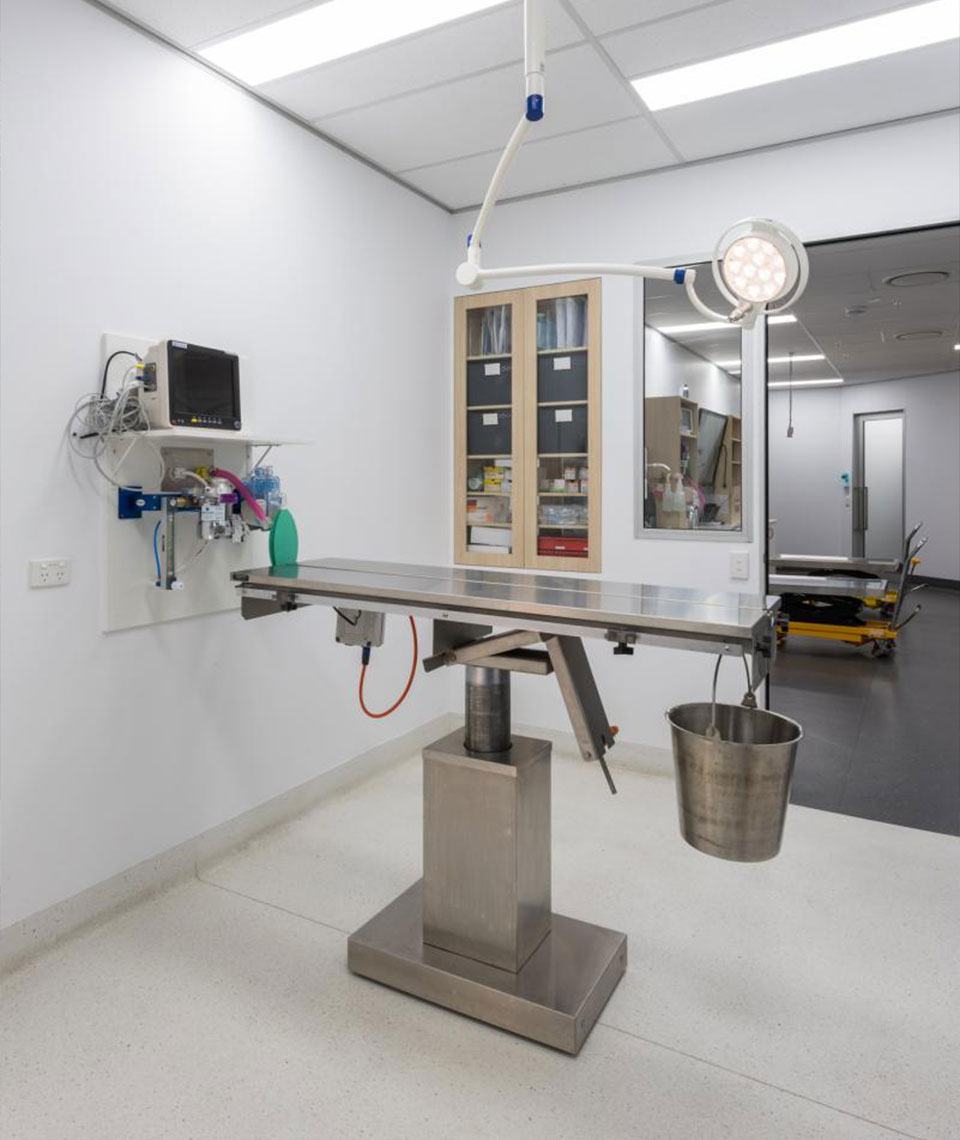
During sedation or anaesthesia, your pet is monitored closely by trained staff. Monitoring may include heart rate, breathing, temperature and other vital signs. This allows adjustments to be made as needed throughout the procedure.
Some pets may experience mild side effects after sedation or anaesthesia. These can include sleepiness, temporary unsteadiness, reduced appetite or mild nausea. These effects are usually short-term and resolve as the medications wear off.
Recovery times vary depending on the procedure and individual pet. Most pets return home the same day and should be kept quiet and supervised while they fully recover. Food is usually offered in small amounts once your pet is alert and settled.
Our team will provide discharge instructions and advise what to monitor at home. If you notice vomiting, persistent lethargy, breathing changes or any other concerns, please contact the clinic for advice.