Welcome To

Desexing

Desexing

What is Operation Wanted?
RSPCA Operation Wanted is a yearly campaign that helps pet owners in Australia access discounted desexing for cats and dogs through participating vets. Run by RSPCA Australia, it aims to reduce unplanned litters and ease pressure on shelters by making desexing more affordable during the campaign period which runs from 1st June to 31st August 2026.
What are the benefits of desexing dogs and cats?
- Reduces their desire to roam
- Allows your pet to be happier and healthier
- Removes the risk of unwanted litters
- Reduces the risk of some cancers
- Cheaper council registration fees for dog owners
- Reduces behaviours such as urine spraying in cats
- Reduces aggressive behaviours in dogs

Visit the RSPCA Operation Wanted website to get your 20% discount code and call our clinic today to schedule an appointment…
Desexing – Spaying and Castration
A spey or ovariohysterectomy is a surgical procedure where we remove the ovaries and uterus in a dog or cat so that they stop cycling and therefore cannot have puppies or kittens respectively.
A castration is the surgical removal of the testicles in male dogs or cats.
Both procedures prevent unwanted, unplanned and uncared for kittens and puppies.
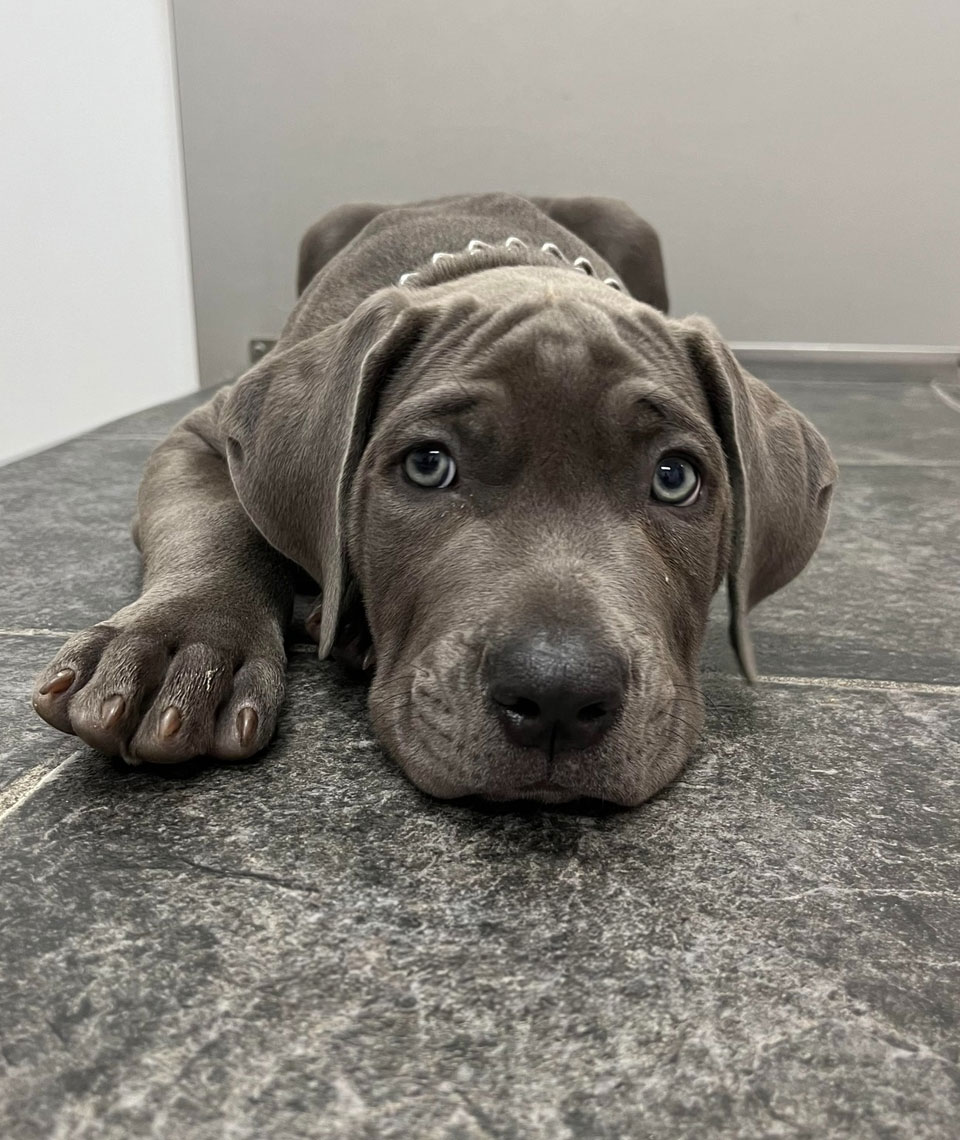
Desexing pets also eliminates or reduces the occurrence of tumours or diseases in reproductive organs. For example uterine tumours, ovarian tumours, pyometra, testicular tumours etc. Another benefit is the reduction or cure of hormone driven disease processes like perianal gland tumours, mammary gland tumours, prostate enlargement etc.
Desexing can also reduce hormone driven behaviours. Examples of these are escaping from the yard and roaming, excessive urine marking, mounting behaviours and some forms of aggression like territorial aggression.
While desexing has many health and behavioural benefits, there are some potential risks as with any medical procedure. For example, a small number of female dogs might experience hormone responsive incontinence, perivulva dermatitis, atrophic vaginitis and even more rarely some hormone based alopecia. Desexing can also be associated with higher risk of weight gain due to a slower metabolism.
At Bundaberg South Vet Clinic, we believe that desexing pets (if you are not a registered breeder) generally brings more benefits than risks. Our practice takes a personalised approach to each individual pet’s breed, size and lifestyle (home life with you) in deciding and recommending when is the most ideal age and time to do it.
When the time comes, our team will guide you through the process and provide clear instructions to help ensure your pet’s surgery and recovery go smoothly. We will support you and your pet through the whole process.
A rough guide to the appropriate Age to Desex Your Cat or Dog
Recommended desexing ages may vary depending on the species, breed and size of your pet.
- Cats: from 4 – 6 months of age
- Small Breed Dogs: 6 months
- Medium Breed Dogs: 10 – 12 months
- Large Breed Dogs: 12 – 18 months
- Giant Breed Dogs: 18 – 24 months
The above ages are a general guide only. Our Vets can guide you in deciding the most appropriate time for your pet.
At the time of desexing, our vets carry out a full physical exam and will offer an optional blood test prior to the surgery. For many pets this will most likely be their first blood test. It provides us with valuable information on internal organ function (kidneys, liver, blood, etc), prior to anaesthesia.
The Day Before Surgery
Your pet must be fasted from 9:00pm the night before surgery, but there is no restriction on water.
If your pet is muddy or dirty, we recommend bathing and drying them before bringing them to the clinic. Excess dirt can affect preparation of the surgical site and may delay or compromise the procedure.
The Day of Desexing Surgery
On the morning of surgery, your pet may have access to water but must not have any food.
If your pet is currently taking medication, this can usually be given as normal. Please advise our team of any medications at the time of admission.
Where possible, we recommend allowing your pet to have a walk and go to the toilet before arriving at the clinic.
Admissions are typically between 8:00am and 9:00am, although earlier or later admissions may be arranged by request. The admission appointment usually takes 10 – 15 minutes and includes signing consent forms and discussing the procedure. Most desexing procedures are day surgeries and pets are usually discharged later the same day.
After Desexing Surgery
Please follow all instructions and aftercare information provided by our team.
General post-surgery care includes:
- Keep your pet calm and quiet for at least 10 days
- Monitor the surgical site for redness, swelling, discharge or pain
- No swimming or bathing, and keep the wound completely dry
- Most re-checks occur within 10 days, but you will be advised of the specific time and day on the day of procedure.
- If an Elizabethan collar (cone) has been recommended, it must be worn at all times until the re-check appointment
- A small, easy-to-digest meal can be offered once your https://contact-us/pet is home and settled
- Follow all instructions for prescribed medications
Monitor your pet for signs such as lethargy, vomiting, diarrhoea, or changes in appetite or behaviour. If you have any concerns after your pet’s surgery, please contact the clinic as soon as possible.
Benefits & Complications of Desexing
Overall, Desexing Is Beneficial, but Consider These Potential Complications:
Immediate Complications:
- Anaesthetic complications (rare but possible)
- Pain. This is expected, especially in females where the surgery involves entering the abdominal cavity. However, if pain becomes excessive or isn’t controlled by prescribed analgesics, it’s a complication, and you should contact us.
- Excessive bleeding during or after surgery
- Infection at the surgical site (including abdominal infection), especially if the pet is playing in dirt, lying on unclean surfaces, getting the wound wet, or otherwise compromising the incision area
- Swelling or bruising at the incision site, especially if the pet is overly active or moving excessively during recovery
- Lethargy (meaning unusual tiredness or lack of energy) is normal for the first 24 to 48 hours. However, if lethargy lasts longer or becomes severe, contact us, as it could be a sign of complications or poor recovery.:
Long-Term Complications
- Weight gain (due to reduced metabolism; manage with diet adjustment and exercise)
- Urinary incontinence in some females (rare; caused by weakening of the urethral sphincter due to hormone changes; typically treatable if it occurs)
- Potential joint issues (if desexed very early, especially in large breeds; proper timing can mitigate this risk)
- Behavioral changes: Potential increased fear or anxiety in some dogs, especially if desexed early, due to hormonal shifts affecting stress regulation. In cats, desexing is not strongly linked to long-term fear or anxiety; they typically become more settled, as hormone-driven behaviours decrease. Each pet’s individual temperament and environment remain key.
- Alopecia (rare; more breed-specific, especially in plush-coated dogs)
- Cognitive or immune changes (speculative and emerging research)